The moment you decide to treat a bathroom as more than a utilitarian space, you begin a conversation with texture. Textured wall panelling in a bathroom remodel is not simply about protection or insulation; it is a statement, a tactile anchor that anchors light, shadow, and scent. In the most successful projects I’ve worked on, textured panels do more than cover a wall. They reset the room’s tempo, guiding your eye from marble vanity to rain shower and back again with a quiet, luxurious rhythm.
A bathroom is intimate by design. It lives in the moments of morning routines and late-night rituals when the door closes and the world falls away. Texture becomes a language here. It speaks of warmth when the tile is cool to the touch, of depth when light travels across a carved grain, of durability when moisture and humidity threaten the space and the finish must stand its ground. Textured wall panelling offers a way to bring that language to life with a sense of permanence and refinement that simple paint or flat tile cannot achieve.
The right texture can elevate a small bathroom into a refined retreat, or it can temper a grand bathroom with a human scale that makes the space feel attainable. The key is to choose a texture that resonates with the room’s proportion, the light it receives, and the way you actually use the space. In practice, that means balancing aesthetics with performance, and that balance is where the art of remodeling really reveals itself.
Foundations: choosing the right panel system
Texture without a solid technical foundation can misfire. There are several practical realities that govern textured panelling in a wet room or a bathroom with high humidity. First, you need a system that resists moisture and mold without warping or delaminating. Second, you want a product that accepts grout and sealant in a way that looks seamless rather than patched. Third, you should think about maintenance. Texture is a visual asset that can become a liability if it traps grime or requires laborious cleaning.
In the last decade the market has shifted toward panels that install over primed backing boards, or directly onto studs with concealed fasteners. The texture is usually embedded in the surface, whether through a molded pattern, a layered composite, or a wood-grain relief. For bathrooms, I favor panels that have a moisture-resistant core and a high-quality finish that tolerates steam. Materials such as dense MDF with a vinyl or acrylic skin, or cement-based composite panels with sealed joints, tend to perform well when correctly installed. Real wood panels can be stunning, but they demand a higher level of ongoing maintenance and rigorous sealing, and they may require climate control to keep them from warping in damp air.
When you are evaluating textures, you should also think about the room’s geometry. A long, narrow shower alcove reads differently from a square, generous bath landscape. A strong horizontal grain can visually widen a tight space, while a vertical grain can give the illusion of height. If you have a window or skylight, the texture interacts with daylight in unpredictable, often delightful, ways. A textured panel can catch morning rays and throw subtle shadows that shift through the day, giving the room a sense of life.
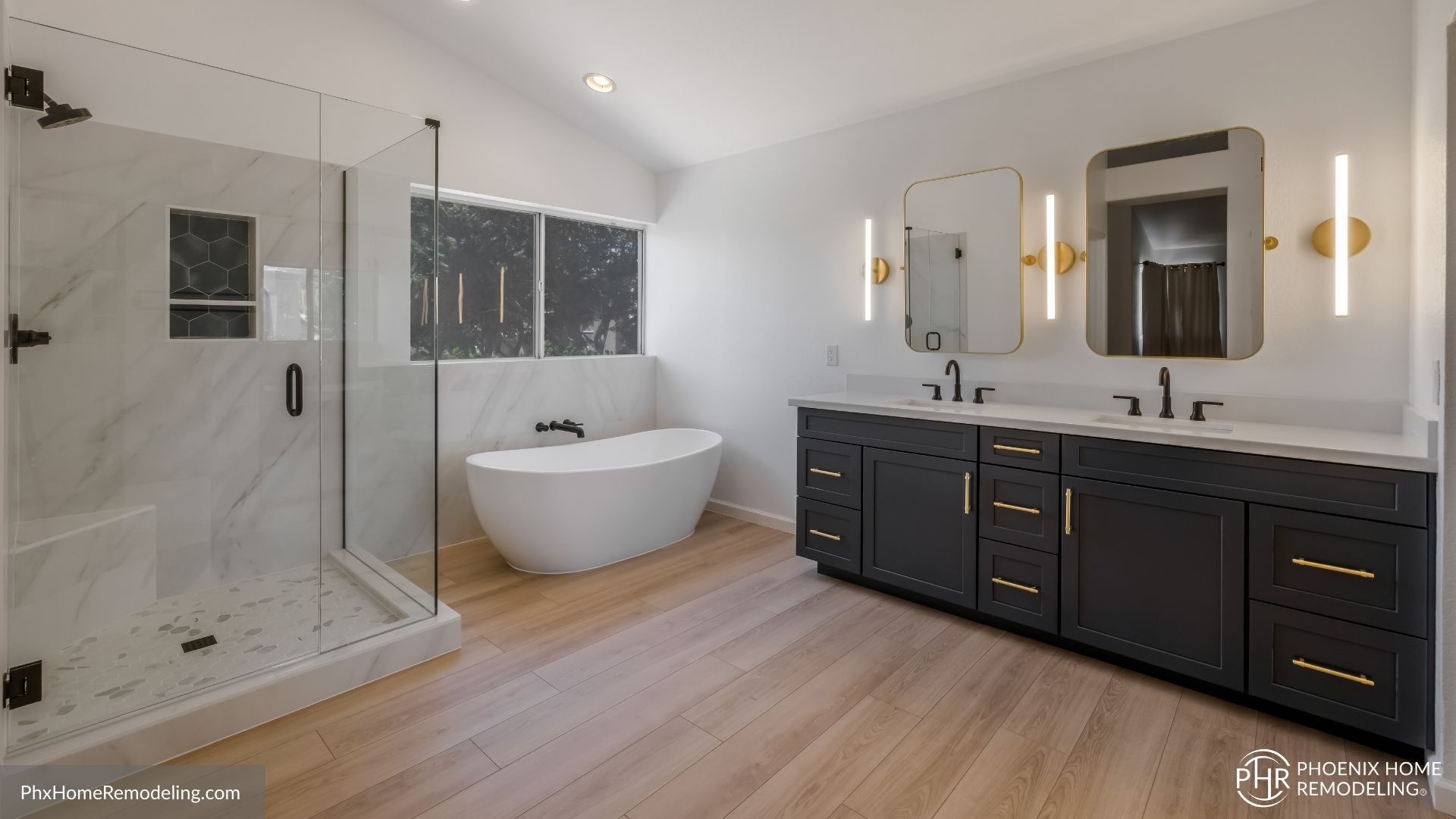
Practicalities: moisture management and installation
Moisture management is the backbone of any successful bathroom panel project. Texture catches attention; moisture catches trouble. The cleaner and more stable the backing, the longer the texture will hold its integrity. That means using a water-resistant substrate, proper underlayment, and high-quality sealants where joints meet. It also means planning for expansion and contraction. A bathroom is a space where temperature and humidity swing with seasons. The panel system needs to tolerate those cycles without stressing seams.
I have learned to approach installation as a sequence rather than a single moment. Here is how a typical project unfolds, in practical steps rather than a rigid checklist:
- Prepare and inspect the wall surface. Any imperfections in the substrate show through texture. You want a flat, clean plane. If the wall has residual plaster or old tile, remove it or smooth it out with a skim coat that dries evenly. Choose the right mounting method. Some panels are designed to clip into a substrate; others require adhesive and mechanical fasteners. The choice depends on the texture depth, the panel thickness, and the existing wall system. Seal the edges and joints. In a shower or around a sink, you need flexible sealants that remain pliable and resist mildew. Train your installer to apply a continuous bead of sealant along every joint and to cap the top edge against the ceiling with a narrow, neat bead as well. Align precisely. Texture looks best when the patterns read as a continuous field. That means careful measurement at corners, avoiding misalignment that creates visual seams where there shouldn’t be any. Finish with a breathable, compatible top coat if required. Some textures rely on a specialized varnish or finish that offers UV protection and water resistance without dulling the relief.
A word on damp corners and steam zones. The area around the shower, the steam bath, and the rim of the tub are the most challenging. Textured panels here should be rated for immersion or high humidity, or protected by a fully sealed interface with high-grade silicone and backing boards that won’t swell. In some projects, we create a moisture shield behind the panel to intercept steam and condensation before it reaches the backer.
Texture as a design gesture: patterns, light, and rhythm
Texture is not merely a skin. It is a choreographer in the space. A wall panel with subtle, linen-like relief can soften the sharp edges of bold fixtures, echoing the curves of a freestanding tub or the sweep of a vanity cabinet. A deeper, sculptural relief can stand as a counterpoint to a polished marble surface, creating a subtle tension between matte and lustrous finishes that reads as luxury rather than decoration.
Lighting plays a crucial role in how texture reads. You can set a scene with grazing light—raking light from a wall-mounted fixture that runs just below the ceiling—and the panel’s surface will Phoenix Home Remodeling reveal its depth in every shadow. A highly textured panel might benefit from softer, diffuse lighting to avoid the surface becoming visually busy. Alternatively, if you want the texture to be the star, you can pair it with a minimal lighting scheme and allow the shadows to do the talking.
Another dimension comes from the color and finish. Texture can be unpainted, left in its natural state, and then paired with a chromatic palette in the hardware and fixtures. Or you can tint the panel with a carefully chosen color to echo the room’s tile or vanity stone. In a high-end project, I have used warm white or ivory textures with gold or brass accents to achieve a spa-like luminosity that still feels grounded in design. The texture helps to warm the room visually by catching and scattering light in a way flat panels cannot.
Trade-offs and scenarios: when to choose texture over flat surfaces
Texture in a bathroom is a luxury with a few practical caveats. First, textured panels can collect dust and moisture in their crevices. This makes maintenance more labor-intensive than a flat tile or plaster wall. You should expect to clean with a soft brush or microfiber and a mild cleaner that does not degrade the finish. In busy households, you may want to seal the texture with a wipeable, water-based sealant to simplify maintenance. Second, texture adds cost. Material, manufacturing, and installation time all contribute to the price. If you are remodeling on a tight budget, texture should be introduced as a feature in a focal wall rather than across every surface.
But there are compelling reasons to embrace texture. It Phoenix remodeling contractors has a long lifespan when properly installed and maintained. It forgives minor wall imperfections, because the relief draws attention away from flat spots. It can hide uneven grout lines in adjoining tile work, creating a smooth, continuous impression from the edge of the shower to the vanity. It also has a tactile luxury that can elevate a project from polished to curated. In a space that might otherwise feel clinical, texture creates a human scale, inviting touch and curiosity.
Two contrasting approaches to texture in practice illustrate the balance well. In a smaller bath, a single feature wall with a deep-relief panel can draw the eye away from a compromised layout, making the room feel balanced and intentional. In a larger bath with a double vanity and a soaking niche, a broader panel field with a lighter texture can act as a quiet counterpoint to the more assertive architectural elements—think brass hardware, a freestanding tub, and a wall of glass.
Materials: what texture reacts best with moisture and daily use
The market has moved beyond plain wood panels for bathrooms, though wood can be stunning if treated properly and maintained with vigilance. Engineered wood panels with moisture-resistant cores and poly- or vinyl-coated surfaces deliver warmth and tactility without the warping risks that natural timber sometimes presents. Cementitious panels offer a different repertoire of texture: more industrial, with a mineral depth and a matte finish that reads as luxury in a minimalist bathroom. They are harder wearing and resist moisture well, though they can be heavier and require robust framing and support.
Fiberglass-reinforced panels provide a consistent texture with a smooth, durable surface that resists stains and moisture. The texture can be embedded during manufacturing to a precise depth, allowing for a refined play of light and shadow. For owners who want a high-end look with very little maintenance, solid-surface panels with a textured finish can be a practical choice. They tolerate heat and humidity and can be repaired if damaged.
If you crave the warmth of wood but without the risks, look for panels that mimic wood grain through a high-definition texture. The grain can be shallow or deeply carved, depending on the aesthetic, but the key is the finish that protects the surface. A well-sealed wood-like panel can endure a lifetime with proper ventilation and a thoughtful cleaning routine.
The cost and time calculus
Pricing for textured wall panelling in a bathroom remodel varies widely, but I can offer a frame of reference that helps set expectations. For a typical mid-sized bathroom, you might see panel costs ranging from a few hundred to a few thousand dollars per wall, depending on the material, thickness, and texture depth. Installation adds a significant portion of the total, particularly when precise alignment and meticulous sealing are required. A straightforward project with a single accent wall and standard texture could be completed in a few days; a more elaborate installation with multiple textured panels and detailed transitions could stretch into two weeks or more.
In terms of timing, the design decision often drives the schedule. Ordering the right panels with the exact texture and finish may require lead time. If the project involves bespoke textures or custom colors, you should expect longer development and production periods. My advice is to align the panel schedule with the overall remodeling timeline early, and to build a contingency for delivery delays, especially if the bathroom is part of a larger home renovation.
The two lists: concise guides for the decision and the upkeep
First list: five quick considerations when you decide to go textured
- Choose the texture depth to balance visual impact with cleaning practicality. Verify moisture resistance ratings and installation method with the manufacturer. Plan for sealing and joint detailing to prevent water infiltration. Consider the room’s light and the texture’s response to it. Align with other finishes to ensure a cohesive, luxurious feel.
Second list: five steps for maintenance and longevity
- Clean with mild, non-abrasive cleaners and a soft cloth or brush. Inspect edges and joints annually for signs of sealant degradation. Reapply sealant around joints if you detect any cracking or discoloration. Use a venting strategy to minimize humidity buildup after showers. Address any visible warping or discoloration promptly with a professional assessment.
If you are building this into a larger bathroom project, these lists become practical anchors rather than rigid prescriptions. They serve as quick references for decisions you’ll make with your architect, contractor, or interior designer. The goal is to create a texture that feels inevitable in the space, not gimmicky or forced.
Anecdotes from the field: texture that changed a room
Two projects stand out in memory. In the first, a compact bathroom in a penthouse suite received a single textured panel behind the vanity. The texture resembled linen with a restrained grain and a warm ivory finish. The installer used a cementitious backing and a seamless edge along the ceiling line. The result was a visual expansion of the room and a quiet, tactile luxury that reframed the entire space. The second project involved a larger master bathroom with a freestanding tub and a double vanity. We used a series of vertically oriented panels with a subtle ripple texture. Paired with cool gray porcelain tiles and brass fixtures, the room achieved a refined, spa-like atmosphere. The texture captured daylight at different times of the day, turning the space into a living sculpture that felt both intimate and expansive.
Edge cases: when texture might not be the best move
There are scenarios where texture can complicate rather than enhance. A practical kitchen renovation lesson translates well to bathrooms: texture is best when it serves a clear purpose. If a space has ongoing water intrusion issues, or if the humidity is consistently extreme due to poor ventilation, a textured wall may require more maintenance than you want to manage. If the budget is tight and the goal is a quick refresh, flat surfaces with a high-quality tile or paint finish can deliver a more reliable return on investment. In rooms where accessibility is a concern, textures with pronounced reliefs may create cleaning challenges for a user with limited dexterity. In those cases, a more restrained or smoother texture may be the smarter choice.
The design language of texture: how to brief the team
When you brief your design and build team, you want to convey more than color and texture. You want to express a mood, a sense of place, and a functional philosophy. To do this effectively, I find it useful to share three short statements that set the tone without dictating every detail.
First, texture should be a frame, not the centerpiece. It should support the fixtures, rather than compete with them.
Second, the surface must speak to durability. The bathroom is a hard-wearing environment and textures should be chosen with that reality in mind.
Third, light should be invited, not dominated. The texture should interact with daylight and artificial light in a way that creates depth without creating glare.
Aesthetics with restraint: composing the palette
Texture benefits from restraint in color so that the relief remains legible. A monochrome palette tends to let the texture tell the story. A soft, warm white with a touch of beige or linen tone often reads as refined and timeless. If you want more drama, a deep charcoal or muted taupe can make the texture pop while still feeling sophisticated. The metal accents—brass, bronze, or brushed nickel—will behave differently depending on the temperature of the wall color, so plan your hardware and taps to harmonize with the chosen texture and finish.
The sensory dimension: scent and sound
Texture is also a sensory tool beyond sight. The way a surface feels under your fingertips is part of the experience. In a bath, scent plays a role, too. Textured surfaces can influence how a space smells, especially if you’re using wood textures or natural fibers. A well-ventilated space with clean lines helps to keep the air clear so scent remains a choice rather than a constant presence. Likewise, the acoustics of a bathroom are often overlooked. A texture with a little depth can dampen echoes and create a quieter, more contemplative atmosphere. This is especially valuable in a larger master bath with a separate shower and tub.
From concept to execution: a realistic timeline
A textured panel project in a bathroom remodel is something that benefits from a thoughtful, staged approach. In a typical scenario, you begin with concept and material selection. You should allow time for sample approval, especially if you are selecting a texture that will be visible across multiple walls or in a niche area. Once the material is chosen, the production and delivery step can take a few weeks, particularly if you have a bespoke texture. Installation itself might take several days, depending on the complexity of the layout and the number of panels.
It helps to have a contingency built into the schedule for surprises. I have seen windows leak during a remodel, an unexpected plumbing adjustment, or a late delivery of a panel run that required a temporary wrap or alternative finish. The best projects I’ve overseen have a calm pace that respects the craft. The team works in a rhythm: framing first, then paneling, then sealing and finishing. There is a moment of quiet anticipation as the texture emerges, followed by a final round of touch-ups and cleaning before the space is handed back to the client.
An invitation to imagination
Texture invites you to imagine the space anew. It is not just a material choice; it is a way of pausing the room to listen to how it breathes. Breath and balance are essential. You want a texture that will stand the test of time, that will not feel gimmicky after a few years, and that will still look right alongside new fixtures or a refreshed color palette. The luxury comes from the confidence to select something that complements the overall design without shouting for attention.
If you are renovating a bathroom and you are tempted by texture, allow yourself a moment to listen to the room. Which wall would benefit from a quiet, tactile protrusion, and which area should remain calm and sleek to showcase a freestanding tub or a dramatic mirror? Texture is a tool, not a rule. The skilled designer will know how to balance the weight of relief with the stillness of flat planes, creating a space that feels luxurious but remains incredibly livable.
Closing thoughts, drawn from the field
Texture in a bathroom remodel is ultimately about atmosphere. It is a way to bring crafted materiality into a room that deserves it, without compromising practicality. The right textured panels offer warmth, durability, and a sense of heritage in a modern bathroom. They reward careful selection and precise installation with years of visual and tactile pleasure. That is the essence of luxury in a space where you begin and end your day.
In design, there are few absolutes. The right choice always depends on the particulars of the room, the climate, the humidity pattern, and the life lived inside the space. A textured wall is not a gimmick; it is a mature decision that communicates care, intention, and a deep respect for the craft of bathroom design. If you approach it with honesty—assessing performance as rigorously as appearance—you will end up with a space that reads as intentional, refined, and deeply personal.
The texture is your ally when it is chosen with care and installed by people who understand the subtleties of moisture, light, and touch. In the end, the bathroom remodel becomes more than a new surface. It becomes a narrative told in relief and shadow, a room that invites lingering, and a space whose texture invites you to slow down, breathe, and appreciate the quiet luxury of well-made things.