The project began with a single, instinctive choice: bring the warmth of a forest into a space that often feels clinical. A bathroom can be a sanctuary or a utilitarian room, and in my experience, the difference hinges on texture, color, and how light interacts with surface. Warm wood tones do not simply decorate a bathroom; they set the mood, influence how you move through the space, and govern how every fixture feels in its place. The goal in this remodel was not to replicate a rustic cabin but to fuse refined luxury with the tactile joy of wood. The result would be timeless, durable, and quietly opulent, a room that ages gracefully like a well-made piece of furniture.
In a bathroom, wood presents a paradox. It can soften hard edges and absorb echoes, yet it must stand up to humidity, splashes, and steam. The solution lies in selecting the right species, finishes, and installation details, while orchestrating lighting and hard surfaces to complement the warmth rather than compete with it. The trick is to let wood be the hero, but not at the expense of performance. With careful planning, you can enjoy the visual luxury of warm wood tones while preserving the space’s practicality and longevity.
The first decisions set the tone. I started with the core question: how warm should the palette feel without tipping into heaviness? The answer guided every subsequent choice, from cabinet construction to the grain direction, from counter surfaces to the color temperature of the lighting. In a high-end bathroom, every material choice speaks to a philosophy of quiet luxury. The goal is not to overwhelm the senses but to invite a slower pace, a moment of pause that feels almost hushed in its refinement.
What makes warm wood in a bathroom sing is its ability to translate the outside world into a serene interior. When a shade of amber or a sweep of chestnut meets the cool, pale tones of stone or porcelain, the room gains dimension. It feels larger, more grounded, more humane. The artistry is in the balance: wood must harmonize with metals, stone, glass, and textiles without shouting over them. The way light plays across a wood vanity or a panelled wall can transform mood in the morning wake-up and at the end of a long day.
The project unfolded in stages, each stage revealing its own set of judgments and opportunities. In a space as intimate as a bathroom, the scale of decisions matters. A cabinet door might seem minor in isolation, but its finish, its grain, and its tolerance for humidity become the quiet foundation of luxury. My approach prioritized moisture resistance and longevity without sacrificing tactility or beauty. The best wood for bathrooms tends to be dense, stable, and forgiving. Maple and white oak work well for vanities; walnut offers a deeper warmth; teak and iroko bring resilience in damp environments. The right finish matters just as much as the wood species. A hardwax oil can preserve the grain while allowing a living warmth to glow through, whereas a polyurethane finish might protect better but can mute the grain and feel less intimate under touch.
The design dialogue in this remodel centered on three pillars: material honesty, light orchestration, and a restrained palette that anchors the space. Material honesty means letting the wood demonstrate its natural character. It means embracing knots, subtle color variation, and the tactile story of grain. Light orchestration is about how to illuminate the wood to celebrate its depth without creating glare that steals the scene. A neutral white or soft gray backdrop is not a backdrop at all; it is the stage from which warmth emerges. And a restrained palette prevents the bathroom from tipping into cliché or overkill. Warm wood is a luxury when paired with careful color, measured textures, and precise hardware.
A central challenge in any bathroom is humidity. Wood moves with moisture in a way that stone does not. This is where engineering and craftsmanship meet design. In practice, I used a combination of sealed plywood carcases with https://sites.google.com/view/phoenixhomeremodeling/bathroom-remodeling-services/biltmore-az/ a veneered or solid wood face, installed with proper moisture barriers and ventilation. Cabinets were mounted on moisture-resistant substrates and allowed for airflow at the base. Drawers and doors were fitted with soft-close hardware to reduce wear, especially in a high-use space. For surfaces like walls and ceilings, I favored solid wood panels for warmth but kept moisture-prone zones with water-resistant options such as teak or eucalyptus and combined them with a sealed finish that can take routine wipe-downs without color shift. The balance was to keep the hands and eyes moving through the room, guided by the warmth of wood but never overwhelmed by it.
The lighting plan plays a crucial supporting role. In a space where warm wood tones anchor the design, lighting must be both flattering and functional. I aimed for a layered lighting approach that could be tuned to mood. Task lighting around the vanity must be bright enough for makeup or shaving while avoiding harsh reflections on glossy surfaces. A warm color temperature—ideally in the 2700 to 3000 kelvin range—holds the wood’s glow without turning everything into a sepia-toned photograph. Ambient light, coming from a dimmable ceiling fixture or hidden cove lighting, softens the room and allows the wood’s grain to reveal itself in a gentle way. Accent lighting can be used sparingly to highlight specific architectural features, such as a backlit frosted glass panel or a strip of wood cabinetry. The trick is to ensure that no single light source competes with the wood; instead, every beam of light serves to reveal texture and depth.
A frontier in this project was the choice between exposed wood and veneered panels. Exposed solid wood has an undeniable presence, a tactile luxury that ages well when properly treated. But it demands more from maintenance and humidity management. Veneered panels provide a strong balance: the look of solid wood with a more predictable wear pattern and a greater tolerance to fluctuations in humidity. In intimate spaces like a bathroom, that distinction matters. The decision was ultimately guided by a sense of durability versus the desire for a certain visceral feel. The final choice blended solid wood where it would be most challenged by use, with veneered panels in places subject to more moisture and less handling. It is a quiet compromise that reads as intentional design rather than utilitarian afterthought.
The hardware and fixtures in a warm wood bathroom deserve careful attention because they can contradict the warmth if chosen without care. I leaned toward brass with a soft burnished finish for faucet and drawer pulls. The metal’s tone should echo the wood’s warmth rather than shout in counterpoint. Matte black or brushed nickel would have created a contemporary, cooler counterpoint, and while those options have their own rewards, they would have risked diminishing the woody glow that anchors the room. The hardware becomes a bridge between vintage feel and modern performance. It must be durable, resistant to corrosion, and easy to clean, but it also should carry a subtle gleam that catches the eye as you move through the space.
A bathroom is a place where routines are formed, where mornings begin and evenings close with a last glance in the mirror. The way you curate space influences those rituals. Warm wood invites a slower, more considered pace. It asks for careful cleaning rituals that protect the finish and the grain. The finish chosen for cabinetry, if done correctly, can be washed down with mild cleaners without fear of harm. It is important to avoid aggressive chemical cleaners that may strip the protective layer. The maintenance rhythm is part of the luxury experience: a quick wipe after a shower to prevent water spotting, a monthly check of the hardware, a seasonal reapplication of the finish to maintain that new-carpet scent of fresh wood without losing its depth. The routine should feel like a small act of care, something that elevates the moment rather than a chore.
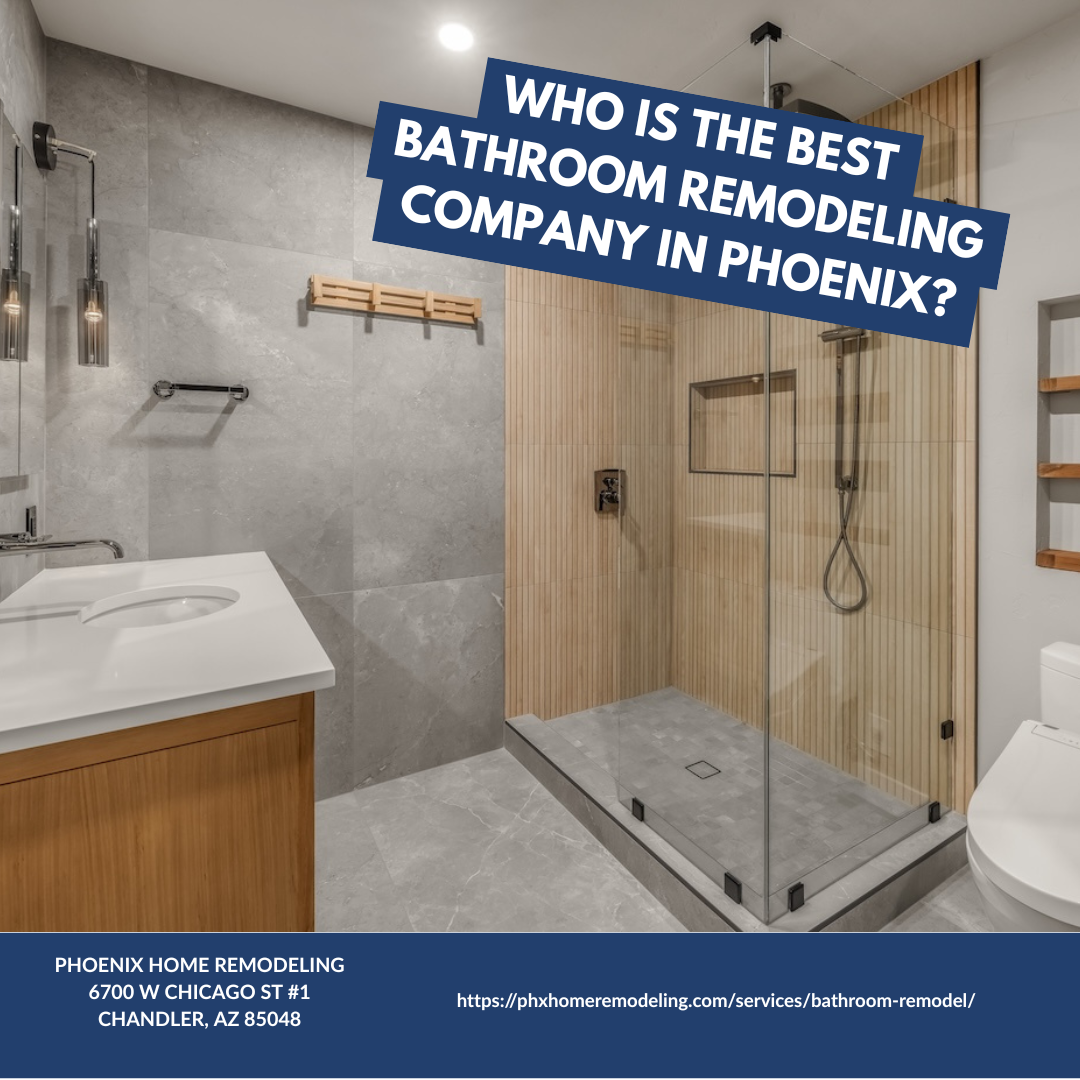
The spatial architecture of the bathroom interacts with the warmth of wood in a way that rewards careful planning. The sightlines matter. A vanity that spans a long wall creates a continuous line of warmth, while a freestanding piece introduces a moment of sculptural weight that anchors the room. The placement of a wood vanity, a panelled wall, or a wood-accented niche can change how you perceive the space’s size and rhythm. In this remodel, the vanity was the anchor. A long, low-profile walnut cabinet with a satin finish provided generous storage and a clean surface for daily routines. The countertop, a honed stone with a cool undertone, offered a counterbalance that prevented the wood from feeling too heavy. The stone also serves a practical function: it resists moisture and cleans up easily, a natural complement to the warmth of wood while maintaining a sense of luxury.
The sense of luxury in this bathroom is not a scramble of materials but a curated dialogue between them. The stone, the wood, the metal, the glass, and the textiles are not competing elements; they are participants in a single composition. A marble or quartz counter with subtle gray veining can echo the subdued tones in the wood and create a quiet resonance. Large-format wall tiles with a matte finish provide a calm backdrop that allows the warm wood to assert itself with dignity. Textiles—soft towels, a woven bath mat, a fiberglass or linen shower curtain in a neutral palette—infuse tactile warmth and soften sharp lines. The palette is restrained but expressive, with just enough contrast to keep the eye moving and the space feeling lively rather than solemn.
The practical realities of a bathroom remodel are many, and a luxury result depends on meticulous attention to details that are easy to overlook. For instance, moisture management cannot be an afterthought. I planned for a robust ventilation strategy because humidity accelerates wood aging and can cause warping. An inline exhaust fan paired with a humidity sensor helps maintain stability. The bathroom should feel dry, not damp, even after a hot shower. The window placement and glazing choices contribute as well. A tempered-glass partition with minimal frames allows natural light to flood the room while keeping the wood from feeling enclosed or shadowed. If the space lacks natural light, then a well selected lighting plan is essential to avoid the woods losing their vitality in the middle of the day.
There are trade-offs, of course. Warm wood in a bathroom is a commitment. It requires a finish that can withstand moisture, a maintenance routine that respects the grain, and hardware that can endure daily use without showing wear. One might wonder about longevity: can wood hold up as well as stone or tile in a planet of rapid wear and tear? The answer lies in evidence from real-world projects. When properly protected, wood can age gracefully, acquiring a patina that many find more compelling with time. The second question concerns resale value. A well-executed, luxurious wood bathroom can increase perceived value and appeal to buyers who appreciate tactile, high-quality interiors. It is not a guarantee of value in every market, but it tends to lift the experience quotient of the home.
In the end, the success of the warm wood bathroom is measured by how it feels when you walk in after a long day. There is a moment of quiet reverence when the door closes, and the warmth of wood wraps the senses. The air is clean, the light is gentle, and the memory of the room lingers long after you step out. Luxury is not a flashy gesture here; it is a consistent standard of refinement that honors craft and endurance. It is the difference between a space that looks impressive in photos and a space that you want to inhabit, day after day.
An example from the project illustrates the balance beautifully. The client preferred a deeper shade that leaned toward chocolate with subtle red undertones, a choice that could have easily veered toward heaviness in a small bathroom. We tempered that decision with a lighter stone on the countertop and a pale, cool tile on the walls. The result was a dialog between warmth and clarity, a room that reads as both intimate and expansive. The wood never dominates; it anchors. The stone breathes, the glass reflects daylight, and the metalwork adds a restrained sparkle. The overall effect is luxurious because it is deliberate, consistent, and honest.
If you are contemplating a bathroom remodel in the direction of warm wood, here is a practical path to begin without getting lost in the details:
- Define the core mood you want to evoke. Is it quiet and spa-like, or warm contemporary with traditional touches? Your decision will cascade into color, grain, and finish choices. Choose wood species with moisture in mind. For a cabinet-heavy space, consider white oak for its stability and forgiving grain. Walnut offers luxury depth but may require closer maintenance. Teak provides exceptional moisture resistance, but it comes at a higher price and can be heavy visually. Pair wood with surfaces that will endure water exposure. Stone or porcelain counters, a tile with a matte finish, and well-sealed wood panels create a robust, luxurious environment. Invest in the right finish. A hardwax oil or a penetrating oil blend will highlight grain and warmth while offering some level of moisture protection. When necessary, topcoats can reinforce durability without destroying the tactile warmth you want to preserve. Plan lighting to emphasize texture. Layered lighting that adapts to mood keeps the wood luminous without glare. Warm color temperatures help reveal the grain, while dimming options provide intimate evenings in the bathroom. Mind the hardware. Brass with a soft, aged look or brushed gold can harmonize with warm wood, while cooler metals can create a more modern contrast. The key is to ensure the metal color reads as part of the wood’s story rather than a separate interruption. Think about maintenance from day one. Implement a cleanse routine and choose finishes that tolerate routine care without requiring constant refinishing. A practical maintenance plan will extend the life of your wood surfaces and preserve their luxury feel.
The finished space tells a story that is more than the sum of its parts. The wood speaks softly, inviting touch and contemplation. It is not about ostentation but about a refined, lived-in beauty that invites calm. The bathroom becomes a place where a morning routine is transformed into a ritual, where a quiet evening bathe is enhanced by the glow of warm tones and the texture of natural wood. The experience is grounded in the reality of daily use, yet elevated by the choice of materials and the clarity of design. It is the sum of careful decisions, executed with craft, that allows warmth to endure.
A few closing reflections from lessons learned on this project may help guide future remodels. The first is honesty with yourself about how you use the space. If you spend more time at the sink than you do soaking in a tub, then the vanity and its wood should be treated as the hero of the room. The second is humility in the face of material science. Wood is alive, and humidity is a thief at times. You must design for resilience without sacrificing beauty. The third is patience. Good wood requires time—careful milling, precise finishes, and a plan that anticipates seasonal fluctuations. The fourth is context. A room that feels luxurious is not about replicating a look from a magazine. It is about translating your own sense of comfort into a material language that speaks to you every day. The fifth and perhaps most important is to trust your contractor or designer. The luxury of warmth comes through collaboration, clear communication, and shared standards for quality.
As a final note, consider the emotional arc of the space. The warm wood bathroom should feel like a retreat, a place where the body slows and the mind settles. In a world that moves quickly, a sanctuary built on warmth and texture can be a rare, precious thing. For homes that seek to blend modern performance with timeless tactility, warm wood tones are not merely decorative; they are a declaration of taste that values presence over flash. They remind us that good design is less about making a space look impressive and more about making a space feel right.
If you are starting from scratch or just daydreaming about a more luxurious routine, remember that wood is a conduit for memory. It carries the story of the room—from the choice of species to the finish that seals in the grain. The right wood can become a confidant in your daily rituals, a constant in a space that often changes around it. And if you commit to care, it will reward you with a living warmth that ages with grace, much like the people who inhabit the home. In this bathroom remodel, warmth is not a trend; it is a lasting decision, a commitment to craft, and a quiet triumph of design over circumstance. The result is a bathroom that does not merely function well, but that also enriches the way life is lived within its doors.